Common Pediatric Surgical Conditions
Understanding Common Pediatric Surgical Conditions
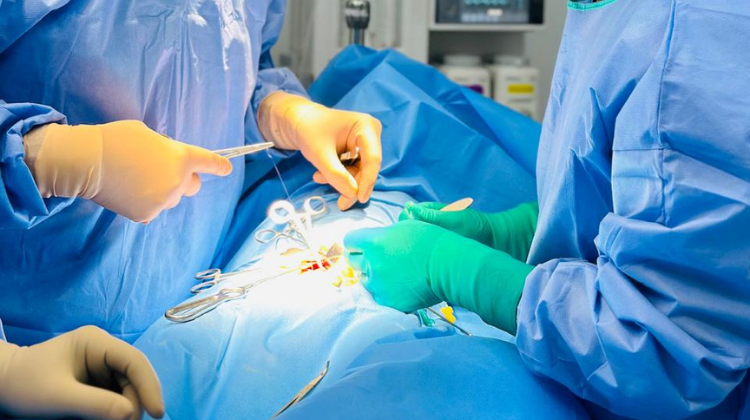
Every child deserves the best possible medical care — and in many cases, surgery is the key to restoring health and quality of life. Pediatric surgeons handle a wide range of conditions, from minor procedures to highly complex operations. Understanding the most common pediatric surgical conditions can help parents feel more informed and prepared if their child ever needs specialized care.
1. Congenital Conditions
These are present from birth and often require early surgical intervention:
-
Cleft Lip & Palate – Corrected with reconstructive procedures to restore feeding, speech, and appearance.
-
Hirschsprung’s Disease – A colon condition causing severe constipation, managed with colorectal surgery.
-
Congenital Diaphragmatic Hernia (CDH) – A defect in the diaphragm requiring immediate repair after birth.
-
Abdominal Wall Defects – Such as gastroschisis and omphalocele, which need surgical correction to protect exposed organs.
2. Neonatal Surgical Emergencies
The first days of life are critical for newborns. Pediatric surgeons manage life-threatening emergencies such as:
-
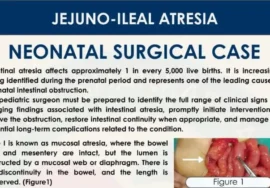
Intestinal Obstruction – Blockages in the intestines that prevent digestion.
-
Tracheoesophageal Fistula – Abnormal connection between the windpipe and food pipe.
-
Necrotizing Enterocolitis (NEC) – A dangerous intestinal disease in premature babies.
3. Pediatric Emergencies & Trauma
Children are naturally active and prone to accidents. Common emergency surgeries include:
-
Appendicitis – The most frequent surgical emergency in children.
-
Intestinal Perforation – A serious condition requiring immediate surgery.
-
Trauma & Burns – Surgeries for injuries, fractures, and deep burns.
4. Pediatric Tumors
Some childhood cancers require surgical removal, often combined with chemotherapy or radiation:
-
Wilms’ Tumor – Kidney cancer in children.
-
Neuroblastoma – Cancer of nerve tissue, common in infants.
-
Hepatoblastoma – A rare liver tumor in young children.
-
Rhabdomyosarcoma – A soft-tissue tumor affecting muscles.
5. Reconstructive & Corrective Surgeries
Pediatric surgeons also focus on improving long-term function and quality of life through:
-
Urological Surgeries – Such as pyeloplasty, ureteric reimplantation, and hypospadias repair.
-
Colorectal Surgeries – Including anorectal malformation corrections and colostomy closures.
-
Orthopedic Surgeries – For bone biopsies, hip corrections, and congenital limb issues.
Why Awareness Matters
Parents who are informed about these conditions are better equipped to:
-
Recognize early warning signs.
-
Seek timely medical help.
-
Make confident, informed decisions about their child’s surgical care.
-
Support recovery and rehabilitation with greater understanding.
Final Thoughts
Pediatric surgical conditions may sound overwhelming, but with timely diagnosis, specialized care, and compassionate support, children can recover fully and lead healthy lives. The key is early detection, expert surgical intervention, and continuous family involvement in the healing journey.